
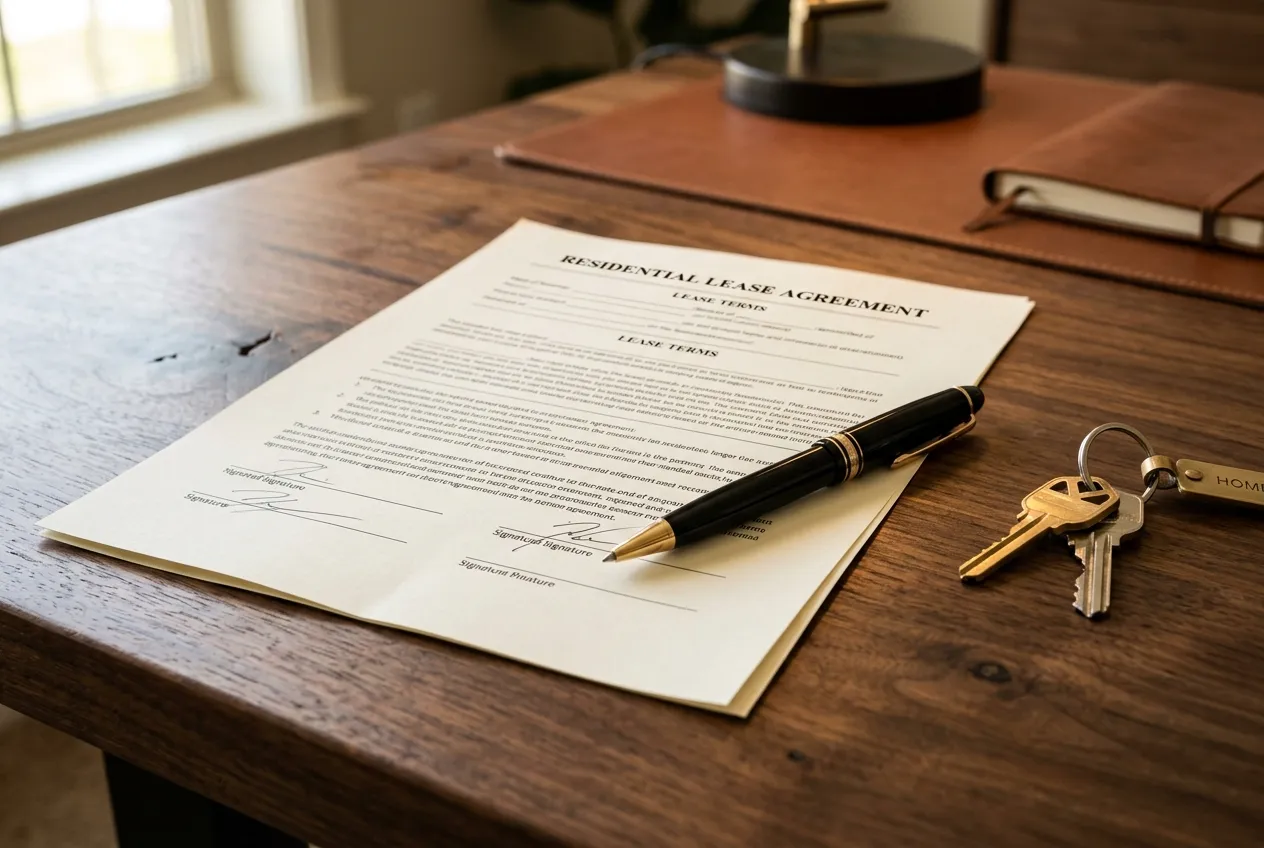
A lease agreement is the foundation of your landlord-tenant relationship. In Texas, a well-drafted lease protects your investment, sets clear expectations, and provides legal recourse when things go wrong. A poorly drafted one creates ambiguity that almost always works against the property owner.
Here is what every Texas landlord needs to know about creating a strong, legally compliant lease agreement.
Does Texas Require a Written Lease?
Technically, no. Texas recognizes verbal lease agreements for terms of less than one year under the Statute of Frauds. However, relying on a verbal agreement is one of the riskiest decisions a landlord can make.
Without a written lease, you have no documented evidence of:
- The agreed rent amount and due date
- Late fee terms
- Who is responsible for which utilities
- Pet policies
- Maintenance responsibilities
- Move-out requirements
- Any other specific terms of the tenancy
In a dispute, it becomes your word against the tenant’s. Courts will apply default rules under the Texas Property Code, which may not align with what you intended. Always use a written lease.
Essential Lease Clauses
Parties and Property Identification
Clearly identify all parties to the lease by full legal name. List every adult occupant (age 18 and over) who will reside in the property. Only people named on the lease have a legal right to occupy the unit.
Include the full property address and any specific unit or suite number. If the rental includes parking spaces, storage units, or other designated areas, identify those as well.
Lease Term
Specify the exact start and end dates of the lease. Most residential leases in Austin run 12 months, though 6-month and month-to-month arrangements are also common.
Include provisions for what happens at the end of the lease term. Does it automatically convert to month-to-month? Does the tenant need to provide notice of intent to renew? What is the notice period required to terminate a month-to-month arrangement?
Texas law requires at least one month’s notice to terminate a month-to-month tenancy unless the lease specifies a different period.
Rent Terms
State clearly:
- Monthly rent amount
- Due date (typically the first of the month)
- Acceptable payment methods (check, electronic transfer, money order)
- Where to send or deliver payment
- Grace period (if any; Texas law does not require one)
- Late fee amount and when it applies
- NSF/returned check fee
Texas law requires that late fees be “reasonable.” Courts have generally accepted 8% to 12% of monthly rent. Whatever amount you choose, it must be stated in the lease to be enforceable.
Security Deposit
Document the security deposit amount, the conditions under which deductions may be made, and the process for return after move-out. Reference the 30-day return requirement under Texas Property Code Section 92.103.
Include a provision requiring the tenant to provide a forwarding address in writing at move-out. This protects you if the tenant later claims they never received their refund.
Maintenance and Repairs
Define who is responsible for what. While Texas law places certain maintenance obligations on landlords (health and safety related conditions), the lease can assign additional responsibilities to tenants.
Common tenant responsibilities include:
- Changing HVAC filters
- Maintaining smoke detector batteries
- Basic lawn care (mowing, watering)
- Keeping the property clean and sanitary
- Reporting needed repairs promptly
Specify how tenants should submit maintenance requests (written notice, online portal, phone) and any emergency procedures.
Utilities
Identify which utilities the landlord covers and which the tenant must establish in their own name. In most Austin single-property rentals, tenants are responsible for all utilities. Make this explicit in the lease.
If any utilities remain in the landlord’s name (water in some cases, trash service in some municipalities), state the arrangement clearly.
Pet Policy
If you allow pets, specify:
- Types and breeds permitted
- Size and number limits
- Pet deposit or monthly pet rent amount
- Tenant responsibilities (waste cleanup, damage liability, noise)
- Requirements for renters’ insurance covering the pet
If you do not allow pets, state it clearly. Note that under the Fair Housing Act, service animals and emotional support animals with proper documentation are not considered pets and cannot be subject to pet deposits or restrictions.
Occupancy Limits
State the maximum number of occupants allowed in the unit. Municipal occupancy standards generally follow the “two plus one” rule (two people per bedroom plus one), but your lease can set reasonable limits within local code requirements.
Include a prohibition against subletting or assigning the lease without written landlord consent.
Property Rules
Cover any specific rules for the property:
- Smoking policy
- Noise and quiet hours
- Parking rules (assigned spaces, guest parking)
- Trash and recycling procedures
- Use of common areas (if applicable)
- Alterations to the property (painting, holes in walls, fixtures)
- Holiday and seasonal decorations
- Storage of items on porches, balconies, or in yards
Entry by Landlord
While Texas law does not specify a required notice period for landlord entry, best practice (and most leases) require 24 hours written notice except in emergencies. Define what constitutes an emergency and the landlord’s right to enter without notice in those situations.
Required Disclosures in Texas
Lead-Based Paint (Federal)
For any property built before 1978, federal law requires you to:
- Provide the EPA pamphlet “Protect Your Family From Lead in Your Home”
- Disclose any known lead-based paint or hazards
- Include a lead-based paint disclosure addendum signed by both parties
- Allow the tenant 10 days to conduct a lead inspection (if they choose)
Agent or Manager Identification
Texas Property Code Section 92.201 requires the lease to include the name and address of the property owner and any authorized management company. If the owner is an LLC or corporation, the managing entity’s information must be disclosed.
Security Device Requirements
Sections 92.153 through 92.157 of the Texas Property Code govern security device requirements. Section 92.153 lists the security devices landlords must provide without any tenant request (deadbolts, keyless bolting devices, door viewers, window latches). Including language in the lease about these requirements can affect compliance timelines. The standard TAA lease includes this language, but landlords using custom leases should ensure their security device provisions comply with Subchapter D.
Clauses to Avoid
Waiver of Landlord Liability
Texas courts will not enforce clauses that attempt to waive the landlord’s obligation to maintain habitable conditions or comply with security device requirements. Including unenforceable clauses can undermine the credibility of the entire lease.
Unreasonable Late Fees
A late fee of $500 on a $1,500 per month rent is not reasonable and may not be enforceable. Keep late fees proportional to the rent amount.
Waiver of Jury Trial
While common in commercial leases, residential lease provisions waiving the right to a jury trial are increasingly scrutinized and may not be enforceable in Texas.
Automatic Renewal Without Notice
Clauses that automatically renew the lease for another full term without adequate notice to the tenant can create problems. Best practice is to require written notice from both parties regarding renewal intentions at least 30 to 60 days before the lease expires.
TAA Lease vs. Custom Lease
The Texas Apartment Association (TAA) lease is the most widely used residential lease form in Texas. It is regularly updated by attorneys to reflect current law, and most courts and attorneys are familiar with its provisions.
For most landlords, the TAA lease (available through member affiliations or property management companies) provides better protection than a custom lease. It covers all required disclosures, includes balanced provisions for both parties, and has been tested in court.
If you use a custom lease, have it reviewed by a Texas real estate attorney. Template leases downloaded from the internet may not comply with Texas law or may include provisions that are unenforceable.
Lease Amendments and Addenda
Sometimes you need to modify terms after the original lease is signed. Any changes should be documented in a written addendum signed by all parties. Common addenda include:
- Pet addendum (adding or removing a pet)
- Roommate change (adding or removing an occupant)
- Rent adjustment (mid-lease changes agreed by both parties)
- Property modification approval (tenant requesting to paint, install shelving, etc.)
Never rely on verbal agreements to modify lease terms. If it is not in writing and signed by both parties, it is not enforceable.
Professional Lease Management
At Kendall Creek Properties, we use professionally drafted, Texas-compliant lease agreements that protect our property owners while maintaining fairness for tenants. Our leases are reviewed regularly to incorporate changes in Texas property code and reflect current best practices.
A strong lease does not just protect you in disputes. It prevents disputes by setting clear, documented expectations from day one. Whether you draft your own lease or work with a property management company, investing in a detailed, legally sound lease agreement is one of the smartest things you can do as a Texas landlord.
More property management resources: